The Role of Integrated Help Desks in Facilitating Multiple Deposit Methods for Users of Portable Free Bingo Applications
Klara Keller · Sep 22, 2026
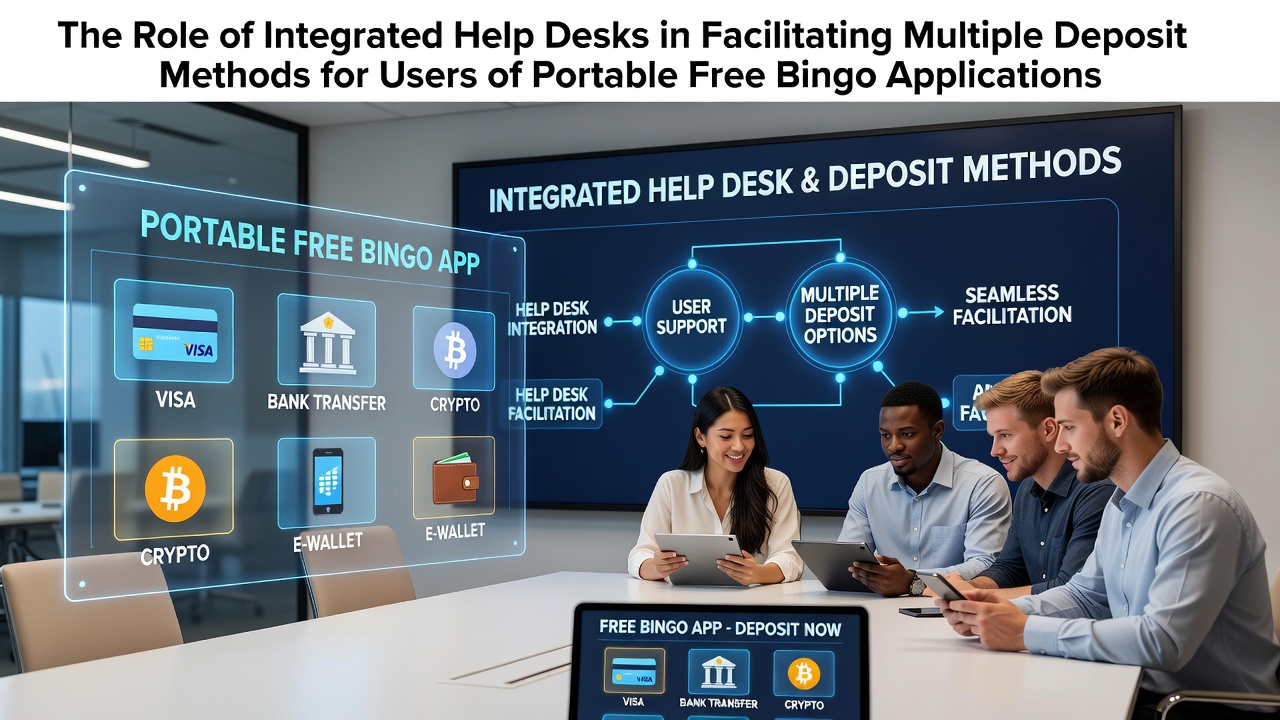
The Role of Integrated Help Desks in Facilitating Multiple Deposit Methods for Users of Portable Free Bingo Applications
Portable free bingo applications rely on integrated help desks to guide users through various deposit methods, and these systems connect real-time assistance with transaction flexibility in ways that support seamless access across mobile platforms. Data from industry analyses indicates that help desk integration allows operators to address queries about payment options such as e-wallets, prepaid cards, and bank transfers without requiring users to exit the application environment.
Core Functions of Integrated Help Desks
Integrated help desks combine automated responses with live agent support, and this structure enables quick resolution of issues related to deposit limits, processing times, and verification requirements. Observers note that users in free-to-play bingo formats often encounter questions about regional availability of certain methods, while help desk protocols route those inquiries to specialized teams equipped with updated compliance information. Research from the International Center for Responsible Gaming shows that such integrated systems reduce average resolution times compared to standalone support channels, and this efficiency stems from direct access to backend payment data.
Handling Multiple Deposit Options
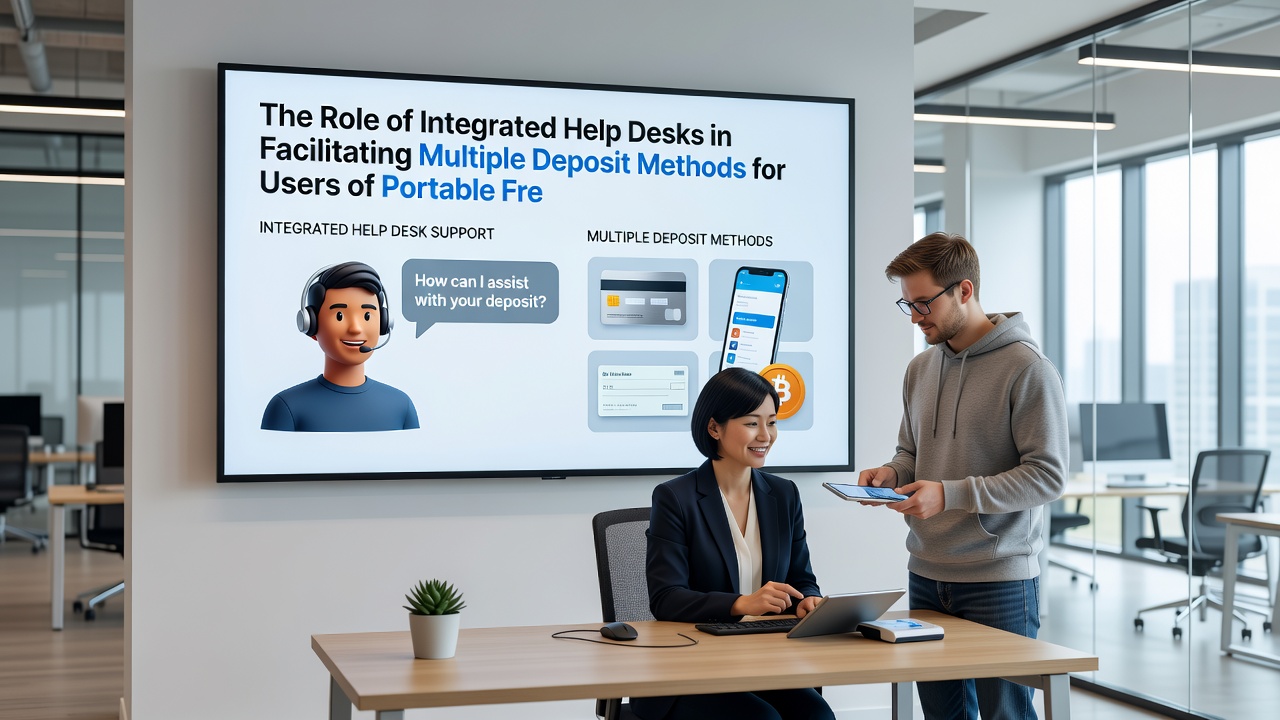
Users of portable bingo applications encounter deposit choices that vary by device type, location, and account status, yet integrated help desks maintain centralized knowledge bases that cover these variations. Agents access details on supported processors including digital wallets popular in North American markets and alternative options more common in European and Asian regions, which allows them to provide accurate guidance without transferring callers between departments. Figures from a 2025 analysis by the Canadian Gaming Association reveal that applications with embedded support tools report higher completion rates for initial deposits, and this pattern holds when users select less familiar methods such as cryptocurrency-linked services where available.
Help desk software logs common deposit-related interactions, and operators use this data to update in-app prompts that anticipate user needs before they reach support. One documented case from a major provider showed that after implementing contextual help triggers tied to payment selection screens, the volume of follow-up queries dropped noticeably within the first quarter of deployment.
Support Protocols and User Navigation
Support protocols in these applications prioritize verification steps that align with each deposit method, and integrated desks coordinate between fraud detection systems and user communications to maintain flow. When a transaction requires additional documentation, agents supply clear instructions through the same interface users employ for gameplay, which minimizes context switching. September 2026 reports from the Nevada Gaming Control Board highlighted how similar integrated frameworks in regulated mobile gaming environments have contributed to fewer abandoned transactions, although free bingo applications operate under different licensing structures.
Training materials for help desk personnel emphasize recognition of method-specific issues, such as delays associated with certain bank networks or verification hurdles for international cards. This preparation allows agents to offer precise next steps rather than generic troubleshooting, and data tracking shows that users who receive method-tailored guidance complete deposits at elevated rates across multiple sessions.
Technical Integration Points
Technical integration between help desks and payment gateways permits agents to view real-time status of pending deposits directly from their dashboards, and this visibility supports accurate updates to users without requiring separate system checks. Application developers embed these connections so that help requests triggered from a deposit screen carry relevant context like selected method and amount, which reduces the need for users to repeat information. Industry documentation from the European Gaming and Betting Association outlines how such linkages also facilitate compliance reporting by logging assistance interactions alongside transaction records.
Updates to deposit methods, whether through new partnerships or regulatory changes, propagate through help desk knowledge systems via automated feeds, and this keeps support responses current without manual intervention on every change. Users benefit when agents can reference the latest availability details for their specific geographic region during live chats or ticket responses.
Conclusion
Integrated help desks serve as connectors between users and the range of deposit methods available in portable free bingo applications, and their role centers on providing accurate, context-aware assistance that aligns with technical and regulatory requirements. Evidence from multiple regional analyses demonstrates measurable impacts on transaction completion and support efficiency when these systems function as unified components rather than separate add-ons. Continued development in this area focuses on expanding the depth of payment data accessible during support interactions while preserving user privacy standards across different operating jurisdictions.