The Interplay Between Avatar Customization Options and Community Interactions in Virtual Bingo Halls
Klara Keller · Oct 6, 2026
The Interplay Between Avatar Customization Options and Community Interactions in Virtual Bingo Halls
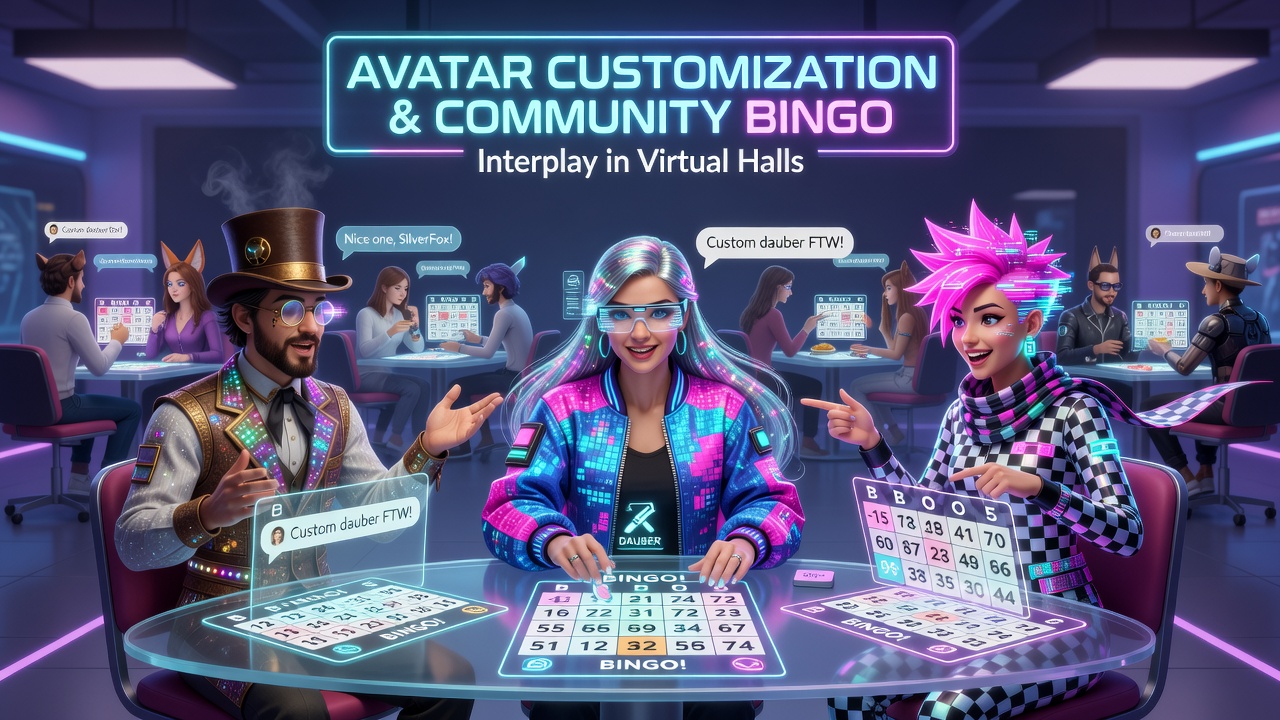
Virtual bingo halls incorporate avatar customization tools that let participants alter clothing, accessories, and visual traits before entering game rooms, and these options connect directly to patterns of group communication observed across multiple platforms. Data from industry reports shows that users who adjust their avatars more frequently tend to initiate conversations at higher rates during sessions, while those with static appearances participate less in chat functions.
Customization Elements Available in Digital Bingo Environments
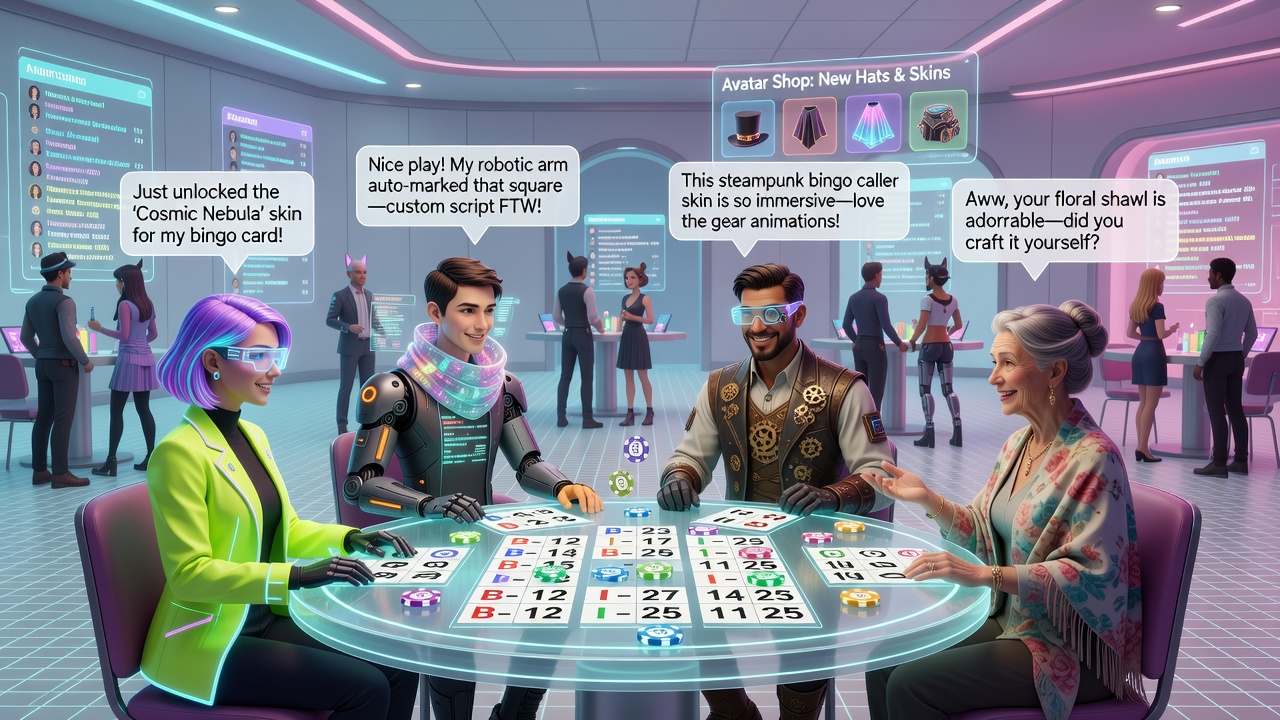
Platforms provide sliders for body proportions along with color palettes for hair, skin tones, and clothing layers, and some systems add seasonal items such as hats or scarves that rotate on a monthly schedule. Research from the University of Sydney indicates that access to over fifty distinct accessory combinations correlates with longer average session times, because players experiment with different looks between rounds rather than exiting immediately after a game ends.
Voice modulation features sometimes pair with visual changes, allowing users to select tone filters that match their chosen appearance, and these paired tools appear more often in rooms designed for larger groups. Observers note that such combinations reduce the frequency of profile switches during active play, which in turn stabilizes the flow of messages in public chat areas.
Effects on Group Dynamics and Chat Participation
Customized avatars serve as conversation starters when players reference specific items visible on screen, and this visual cue leads to exchanges about themes or events tied to those items. Figures from a 2025 European Gaming and Betting Association survey reveal that rooms permitting full outfit swaps recorded 28 percent more chat messages per hour than rooms limited to basic color changes.
Players who coordinate matching accessories with others in the same room often form temporary alliances during jackpot rounds, yet these groups dissolve quickly once the round concludes. Data shows that avatar similarity increases the likelihood of repeated room visits together, although sustained friendships remain tied more closely to shared win histories than to visual matches alone.
Platform Design Choices and October 2026 Updates
Developers rolled out expanded wardrobe libraries in October 2026 that included regional cultural motifs drawn from player feedback collected earlier in the year, and these additions coincided with a measurable uptick in cross-region room entries. Systems that track avatar usage patterns now feed recommendations back to users, suggesting items based on the clothing styles already popular in their frequent rooms.
Moderation tools flag repeated avatar resets as potential indicators of disruptive behavior, because rapid changes can interrupt ongoing conversations. Reports compiled by the Canadian Centre for Gaming Research document that platforms applying these flags experienced fewer complaints about chat harassment compared with platforms that left customization unchecked.
Engagement Metrics Across Different User Groups
Younger participants tend to favor bright, animated accessories that draw attention during group calls, while older cohorts select subtler modifications that still allow recognition across multiple sessions. This split in preference produces distinct interaction clusters within the same hall, where each group maintains its own pace of message exchange.
Analytics platforms record that avatar-based friend requests rise after major customization events, such as holiday-themed releases, and these requests translate into higher retention when accepted within the first week. Studies conducted on distributed bingo networks confirm that visual continuity across devices strengthens the sense of presence even when hardware varies between users.
Conclusion
Avatar customization in virtual bingo halls functions as a structural element that shapes entry points into social exchanges, and ongoing platform refinements continue to adjust how those exchanges unfold. Records maintained by gaming associations show consistent links between the depth of available options and the volume of community activity, while regulatory updates scheduled for later years focus on maintaining accessibility without restricting creative choices. These patterns establish a measurable framework for understanding participation in digital bingo settings.